Removal Companies in Hackney

Removal companies in Hackney need to do more than move boxes from one address to another. A good service should handle household contents carefully, work around access constraints, and keep the moving day organised from the first item loaded to the last item set down. Our removals service covers domestic and commercial moving support in Hackney, with options suited to flats, maisonettes, houses, studios, offices and mixed-use premises.
We focus on practical moving work rather than overcomplicating the process. That means straightforward planning, suitable vehicle choice, and attention to the items that matter most: furniture, appliances, packed boxes, personal belongings and business equipment. If you are comparing Hackney removal services, it helps to think about the full job, not just transport. Access, loading order, item protection and timing all affect how smoothly a move goes.
Use this page to understand what a removal company can help with, which services are commonly included, and where extra support may be useful. If you already know what needs moving, you can request a quotation once you have reviewed the available service pages and chosen the level of help that suits your move.
House moves planned around your property
Home removals are rarely identical, even when two properties are close together. A narrow staircase, limited parking or a top-floor flat can change the best approach for loading and unloading. We provide house removals support that can be scaled to the size of the property and the amount of furniture involved. The aim is to move goods in an orderly way, with sensible handling and clear sequencing for larger pieces.
For many customers, the main decision is whether they need help with a full property move or only part of the load. Some moves involve large wardrobes, beds, sofas and white goods; others are mostly boxes and smaller household items. Our home moves page is relevant if you want a domestic move arranged with the practical details kept simple. The service can be adapted for smaller or fuller loads without turning the day into a one-size-fits-all process.
In practical terms, home moving work often includes disassembly where required, careful placement of fragile items, and loading that takes account of weight and shape. That matters because the final arrangement in the vehicle affects stability during transit. It also helps when the unloading point is tight or when some items must come off first. Moving well is not only about lifting; it is about sequence, access and protection.
Domestic removal support for different household needs

Different households need different kinds of support. A compact flat move may call for a smaller van and a compact loading plan, while a family home can require more space, more protective handling and longer loading time. Our house removal work is intended for customers who want a mover to manage the actual transport side with care, while keeping the process readable and orderly. The point is to keep the day manageable.
If you need a more general overview of available options, the removal services page is a useful place to compare the main forms of support. It can help you identify whether you are looking for a full property move, furniture transport, van-based removals or something in between. Choosing the right category first makes the rest of the planning easier, especially where the volume of items is changing as packing progresses.
Common domestic jobs include sofa moves, bedroom furniture relocation, appliance transport and the movement of boxed contents from one address to another. Some customers also need help relocating a few bulky pieces rather than the entire contents of a property. In those cases, the service should remain flexible but still organised. Proper removal work handles the job in a way that fits the property, the access points and the contents themselves.
Commercial and office removals
Office moves need a different rhythm from domestic removals. Desks, chairs, filing, IT equipment and archived materials must be moved in an order that supports continuity and reduces confusion at the new premises. Our commercial moving support includes office removals for businesses that need a structured approach to transport, loading and placement. Careful handling matters here because the load often contains mixed items with different fragility and value.
For businesses comparing options, the commercial moves page gives a clearer route into this type of work. Commercial removals can involve more than a single vehicle trip; they may require phased loading, item labelling, and a plan for equipment that should stay together. That is especially useful when the move involves staff workstations, specialist storage or furniture that should be reassembled in a sensible order.
We also support office relocation services for customers who need the office move handled as a wider relocation task. In practice, that means thinking about what should move first, which items should travel together, and how the destination should be set up for use after delivery. Even a modest office move benefits from planning because it keeps essential equipment easier to find and reduces avoidable handling.
Man and van removals for smaller loads
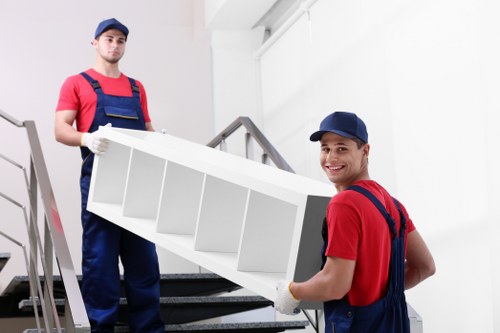
Not every move needs a large removal vehicle or a full household crew. Smaller loads, partial room clearances and single-item transport can often be handled through man and van removals. This type of service is useful where the job is too large for a car but not large enough to justify a traditional full-scale house move. It can suit students, flat-sharers, recent movers and customers collecting items from storage or another address.
The man and van option is often chosen for flexibility. It is a practical way to move furniture, appliances or grouped boxes without arranging a larger operation than needed. Depending on the items involved, a smaller vehicle can make loading simpler, especially where access is restricted or parking is tight. The key is choosing a service that matches the actual load instead of assuming every move needs the same setup.
Where customers prefer a slightly different wording, the related man with van page covers the same broad style of moving support in a clear, straightforward way. This type of service is often suitable for one-off removals, purchases from storage, or moves where the volume is limited but the items are still bulky. It is a useful middle ground when the job needs transport and loading help without the scale of a full removal team.
Furniture, single items and practical loading
Some customers only need specific items moved, not an entire address cleared. Furniture pick-up work can include beds, wardrobes, tables, sofas and other bulky pieces that are awkward to transport without the right vehicle and loading method. Our furniture pick-up page is relevant where one or more items need to be collected and delivered safely, whether from a home, retailer, storage site or another collection point.
Careful loading matters with furniture because shape, weight and finish all affect how an item should be handled. Items with delicate surfaces, removable parts or uneven weight need extra attention so they travel securely. Some pieces benefit from disassembly before movement and reassembly at the destination, while others are better left intact and lifted as complete units. The right choice depends on the item and the access at both ends.
When a removal job includes furniture as well as boxed contents, a well-organised loading sequence helps prevent unnecessary strain and wasted space. Heavier items usually sit lower and firmer in the vehicle, while lighter or more fragile pieces are set where they are less likely to shift. That kind of arrangement supports safer transport and a tidier unloading process at the other end.
Planning, packing and the details that shape the move

Good removals often depend on small details that are easy to overlook until the day arrives. Packing quality, labelled boxes, access routes and item grouping can all affect how long a move takes and how straightforward it feels. Our packing and unpacking support is useful where customers want help preparing the load or getting settled after delivery. It can also be helpful when the move includes awkward or fragile belongings that need extra care.
The packing and unpacking services page is worth checking if you want assistance before or after the transport itself. Packing work can make a move more orderly by grouping items sensibly, protecting fragile possessions and reducing the chance of mismatched boxes at the destination. Unpacking support can then help the new address become functional sooner, especially where rooms need to be sorted quickly after arrival.
Two practical points usually make a real difference. First, it helps to know which items are staying with you during transit and which need to be handled separately, such as valuables or highly personal belongings. Second, clear access information is useful if the property has limited parking, lift restrictions or a long carry from vehicle to door. Careful preparation does not need to be complicated, but it does need to be consistent.
Vehicles, load sizes and how moving support is matched
The vehicle used for a move should fit the job rather than the other way around. A larger removal truck may suit a bigger household move, while a smaller removal van can be the better option for compact jobs, furniture-only transport or a partial relocation. Matching the vehicle to the actual load helps keep the process efficient and avoids unnecessary space or repeated trips.
Our moving van and removal truck options are relevant where the load size changes the practical approach. Some jobs are best handled with a standard removal van; others benefit from a vehicle with more carrying capacity, particularly when there are several large items or a complete property contents move. Choosing the right vehicle type also matters when the destination has access constraints, because manoeuvrability can be just as important as load capacity.
For customers comparing terminology, pages such as moving van, removal van and moving truck all relate to transport choices within the removals service range. The wording varies, but the purpose is similar: provide suitable transport for the volume, shape and fragility of the load. It is sensible to think about these options early so the vehicle choice reflects the move properly.
About Hackney
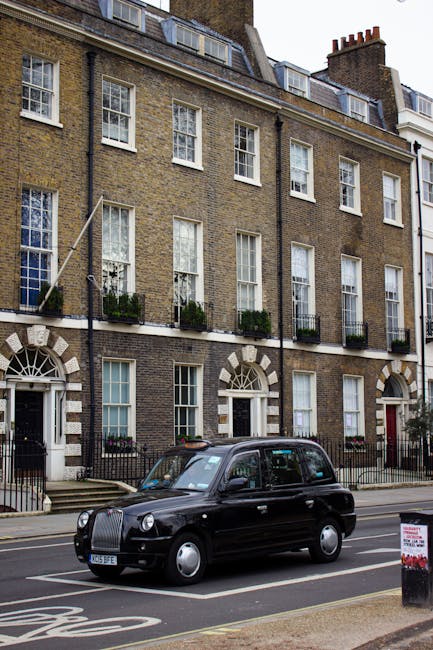
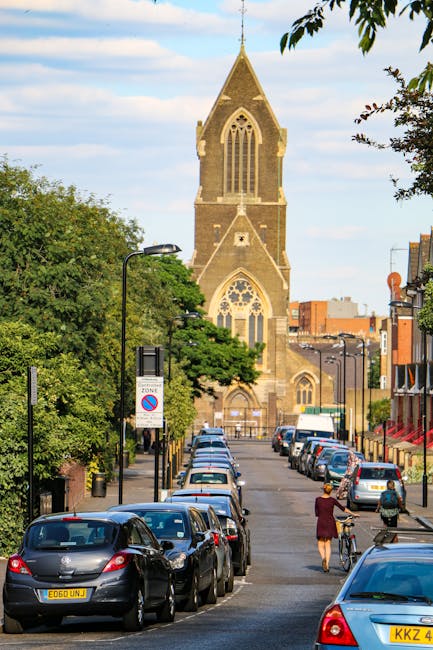
Hackney in East London is a wide-ranging borough with a history shaped by settlement along old routes, later suburban growth and extensive nineteenth-century development. Its built environment includes terraces, mansion blocks, industrial buildings converted to new uses and newer residential schemes that sit alongside long-established streets. The borough contains several distinct districts, including Hackney Central, Dalston, Stoke Newington, Homerton and parts of Shoreditch, each with its own street pattern and character. Hackney Central functions as a civic and commercial focus, while the wider borough also includes substantial open spaces and waterways. The Regent’s Canal runs through the area, linking parts of Hackney with neighbouring districts and reflecting the borough’s industrial past. London Fields, Victoria Park and Hackney Marshes are among the best-known green spaces, offering a contrast to denser built-up streets. Cultural life is varied too, with theatres, live music venues, markets and independent shops contributing to a busy urban atmosphere. St John at Hackney and other historic churches illustrate earlier phases of the area’s development, while newer architecture and regeneration projects show how the borough has continued to change. This mix of heritage, transport links, housing forms and public space gives Hackney a layered identity that is recognisably urban yet locally diverse.
Removal details, access and quotation factors
When a customer asks for a quotation, the main variables are usually volume, distance, access and the kind of handling required. A property with easy parking and straightforward entry may be simpler to move than a similar-size home with narrow stairs or limited loading space. Special items also affect the work, especially if they need careful protection or extra room in the vehicle. A quotation should reflect the practical job, not just the postcode.
If you are comparing options, our pricing and quotes page is a sensible next step. It explains the commercial side of choosing a removals service and helps frame the type of information that can shape a more accurate estimate. The purpose is not to complicate the move, but to make sure the service selected matches the amount of work involved and the type of transport needed.
Useful quotation details usually include the property type, a rough list of items, whether there are stairs or lifts, and any items that need disassembly or extra care. A clear description of the load helps avoid confusion later and makes it easier to compare services properly. If the move is time-sensitive or split across more than one address, that should be explained as well, because it changes the planning requirements.
Useful service pages for choosing the right removal option

There are several ways customers arrive at a removals enquiry, and the best service page depends on what needs moving. Some visitors want general removal company information, others want a domestic move, and some need a specific transport style such as a van-based collection or furniture-only job. Browsing the relevant service page first can save time later because the scope becomes clearer from the start.
The following pages may help you narrow the choice: removal companies, removal company, removals, house removals, house movers and house removalists. Each page title points to a slightly different way of describing similar moving support, so it is sensible to choose the one that best reflects the service you need and the size of the job.
If you are ready to move on, make your enquiry and request a quotation. The most helpful next step is to choose the page that best matches your move, then provide the basic details needed to shape the job properly. Contact us when you are ready to discuss the move and receive a quotation.