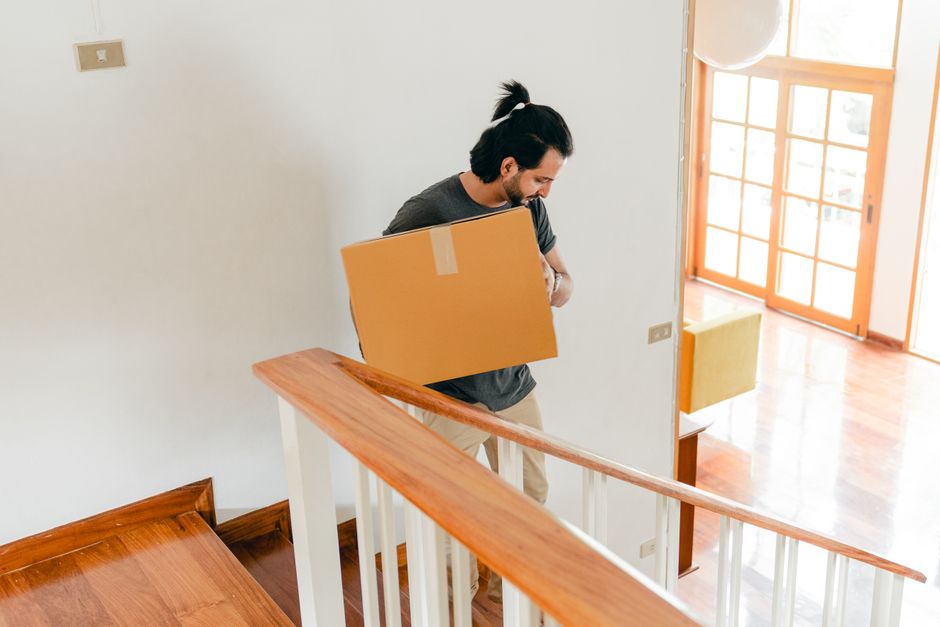
What to know about tight stair moves in Hackney removals
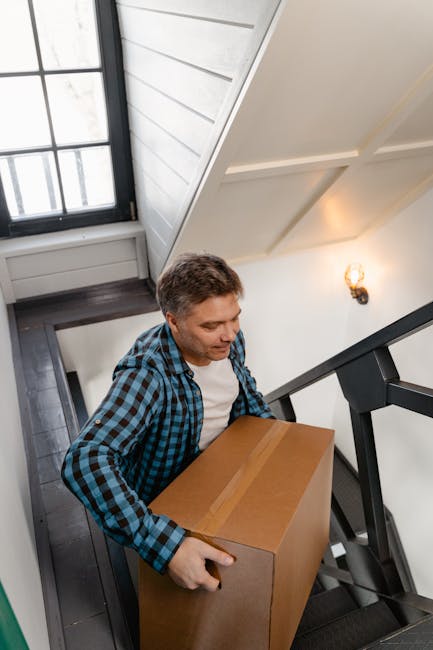
If you are moving in Hackney and your new place has a narrow staircase, awkward turns, or a landing that seems designed by someone with a grudge, you are not alone. Tight stair moves in Hackney removals are common in older terraces, split-level flats, converted buildings, and upper-floor homes where every centimetre matters. The good news? With the right prep, the move can still be calm, safe, and surprisingly efficient. This guide walks through what tight stair moves involve, why they matter, how removal teams handle them, and what you can do to avoid the usual headaches.
In our experience, the difference between a stressful stair move and a smooth one usually comes down to planning. A few measurements, the right packing approach, and a realistic view of access can save you time, money, and a few bruised corners on both the walls and the furniture. Let's get into the practical stuff.
Why What to know about tight stair moves in Hackney removals Matters
Tight staircases change the whole shape of a move. A sofa that seems perfectly normal in a showroom can become a stubborn, awkward beast the moment it reaches a narrow Hackney stairwell. Fridges catch on banisters. Wardrobes tilt at strange angles. Mattresses bend more than they should. It is all very ordinary, frankly, but it still needs care.
Hackney has plenty of properties where stairs are steep, bends are sharp, and access is limited by period layouts or compact modern conversions. That matters because the move is no longer just about lifting and carrying. It becomes a sequence of decisions: can the item fit upright, does it need partial dismantling, can it be wrapped without adding too much bulk, and is there enough landing space to turn safely?
There is also the risk factor. A tight stair move increases the chance of knocks, slips, and strain if the job is rushed. That is why serious movers think in terms of route planning, not just muscle. The aim is to protect your belongings, the property, and the people doing the lifting. Simple enough, but easy to underestimate when you are staring at a spiral staircase at 8:00 in the morning.
If you are moving from a flat, it can help to look at the broader support available on flat removals in Hackney, especially when stairs are part of the deal. And if your move is being squeezed into a tight deadline, same-day removals in Hackney may also be relevant, although time pressure and awkward access are not always the best friends.
How What to know about tight stair moves in Hackney removals Works
A tight stair move is basically a controlled puzzle. The team assesses the staircase, the item sizes, and the access path, then decides on the safest way to move things from one floor to another. That may sound straightforward. It rarely is, at least not in older Hackney properties where the stairwell, hallway, and front door seem to have been arranged without furniture in mind.
The process usually starts before moving day. A good mover will want to know the dimensions of bulky items, the number of floors, the width of the stairwell, whether there are turns or landings, and whether parking or loading space is likely to slow the work down. If the move involves a difficult route, teams may recommend dismantling items, removing doors where appropriate, or using more protective wrapping to make the object easier to handle.
On the day itself, removals teams typically:
- protect walls, banisters, and floors where contact is likely
- carry awkward items with two or more people where needed
- communicate clearly before each turn or lift
- move slowly on tighter sections rather than forcing the pace
- adjust the angle of the item as it passes landings and bends
For bigger furniture, this is where specialist handling matters. A tall bookcase is not just heavy; it is long, unstable, and easy to scratch. A sofa with fixed arms may need a more careful pivot than you would expect. Even something like a chest of drawers can become awkward when the staircase narrows at the top.
That is one reason many people choose a provider with wider experience in removal services in Hackney rather than assuming any van and a couple of hands will do the job. There is a difference between lifting a box and steering a sofa around a sharp bend. Quite a big one.
Key Benefits and Practical Advantages
When tight stair moves are handled properly, the benefit is not just that the furniture arrives intact. You also get a calmer moving day, less disruption to neighbours, and fewer surprises mid-job. That may sound obvious, but on a real moving day obvious things are often the first to vanish.
Here are the main advantages of a well-planned stair move:
- Less damage risk: careful positioning reduces scrapes on walls, banisters, and item corners.
- Faster handling overall: what takes a little longer to plan often saves time during the move itself.
- Better safety: controlled lifts help reduce strain and the chance of accidents.
- More predictable costs: when access is understood early, quotes tend to be more accurate.
- Less stress for everyone: you are not left improvising as the wardrobe gets stuck halfway down the stairs. Yes, that does happen.
There is another practical benefit: tight stair planning can influence what you choose to move at all. Sometimes it is smarter to disassemble, store, sell, or replace one oversized item than to battle with it through a staircase that is clearly not on your side. If that feels familiar, storage in Hackney can be a sensible support option while you sort out access or delivery timing.
For households with lots of furniture, using dedicated furniture removals in Hackney can also make the whole process more efficient because the handling approach is better matched to the item type, not just the address.
Who This Is For and When It Makes Sense
Tight stair move planning is relevant for far more people than you might think. It is not just for people in old buildings with dramatic staircases. It applies to anyone moving bulky items through a restricted route, whether they are in a converted flat, a shared house, or a compact office space.
This is especially useful if you are:
- moving into or out of a top-floor flat
- relocating from a Victorian terrace with steep internal stairs
- dealing with a narrow communal stairwell
- moving heavy furniture, white goods, or fragile items
- shifting a piano or other awkward object
- trying to complete a move on a tight timetable
Students often run into this sort of thing in older conversions and maisonettes, which is why student removals in Hackney can be a useful fit when the move includes a few flights of stairs and not much spare time. Office moves can bring the same issue too, especially with archive boxes, desks, and equipment in buildings that were never designed with modern logistics in mind.
If your move includes musical instruments, that is a different level again. A piano on a narrow stairwell is not the moment to improvise. You want specialist handling and a careful route check, which is why piano removals in Hackney are usually treated as a separate service rather than a generic lift-and-load job.
Step-by-Step Guidance
If you want a stair move to go well, break the process into small, boring steps. Boring is good here. Boring means fewer surprises.
1. Measure the awkward bits
Measure the width of the stairwell, the landing depth, the height under any banister or handrail, and the largest furniture items. Do not just eyeball it from the hallway. That usually ends with someone saying, "It looked smaller online," which is not much help at all.
2. Identify the risk items early
Make a list of anything bulky, fragile, or unusually shaped. Sofas, beds, wardrobes, mirrors, glass tables, and white goods all deserve a second look. If the item feels borderline, treat it as borderline.
3. Decide what should be dismantled
Sometimes removing legs, shelves, doors, or headboards makes an item manageable. Other times, dismantling is more trouble than it is worth. The right call depends on the item, the stair angle, and how much room there is to pivot.
4. Clear the route
Move shoes, baskets, loose rugs, hallway clutter, and anything else that could catch a foot or slow a turn. A clear corridor sounds basic, but it makes a huge difference in tight spaces.
5. Protect surfaces before lifting starts
Use covers, blankets, or proper protective materials for vulnerable surfaces. A scratched stair wall is one thing. A chipped banister in a rental property is another, and usually a slightly uncomfortable conversation later.
6. Pack for easier handling
Smaller, well-packed boxes are much easier to carry than overfilled ones that shift mid-stair. Good packing is not glamorous, but it is your friend. If you want support with that side of the move, packing and boxes in Hackney can help you think more practically about box sizes, wrapping, and load balance.
7. Assign roles on moving day
One person should lead the lift and give the instructions. Too many voices at once is how people end up saying "left, no your left" in a panic. Keep communication simple and calm.
8. Leave time for the awkward bit
The awkward turn or narrow landing often takes longer than the rest of the route combined. Build that into your schedule so nobody feels rushed when precision matters most.
Expert Tips for Better Results
A few experienced habits can make tight stair moves much easier. None of these are dramatic, but they work.
- Wrap before you carry: if an item is going to graze a wall, even lightly, wrap the contact points first.
- Lift with the route in mind: don't just think about the weight; think about the angle of the next bend.
- Use pause points: a landing is a natural reset point. Take it.
- Test the turn before committing: if something feels too tight, stop and rethink rather than forcing it through.
- Keep one eye on weather and outside access: rain, wet steps, or poor parking can throw off the timing more than people expect.
One simple but underrated tip: photograph the staircase before the move. Not because you need a fancy record, but because it helps everyone remember where the tight spots actually are. Memory is funny like that. It gets optimistic very quickly.
If access is especially awkward and the route involves a load-bearing lift from the street, talk through alternative move methods early. Sometimes a smaller vehicle, staggered loading, or temporary storage is the smarter answer than insisting on a full move in one go. For those kinds of decisions, it can help to review broader services in overview before choosing the best setup.
Common Mistakes to Avoid
Most stair move problems are preventable. The bad news is that the mistakes are usually very ordinary. The good news is that ordinary mistakes are easier to avoid once you know what to watch for.
- Underestimating the staircase: a corridor may look fine until the first large item reaches the bend.
- Forgetting bannister clearance: this is a classic one. The item fits in theory, then the handrail says no.
- Packing boxes too heavy: a heavy box on stairs is a hazard, not a badge of honour.
- Leaving access checks too late: parking and entry issues can slow the whole job down.
- Rushing the team: speed and control rarely improve together in a tight staircase.
- Ignoring fragile items: mirrors, lamps, and glass items need more than wishful thinking.
Another common mistake is assuming every mover will tackle stairs in the same way. They won't. Some work with more protective wrapping, some prefer items partially dismantled, and some are better suited to smaller loads. That is why comparing options matters, especially if you want to avoid unnecessary damage or hidden stress later. If you are still working through costs, pricing and quotes is the kind of topic worth checking early rather than at the last minute.
And yes, let's face it, moving day has a habit of exposing everyone's worst box-packing habits. A bit of honesty goes a long way.
Tools, Resources and Recommendations
You do not need a truck full of specialist kit for every stair move, but the right tools make a huge difference. More importantly, they help the job stay controlled when the route gets awkward.
Useful tools and materials often include:
- furniture blankets and protective wraps
- strong tape and tie-down straps
- stair runners or floor protection
- corner protectors for walls and larger items
- gloves with a solid grip
- simple measuring tools for width, height, and landing depth
From a planning point of view, it also helps to choose the right moving format. A full team may suit a full-house move with multiple bulky items, while a smaller van-based service can work well for compact loads and lighter access challenges. If you are weighing that up, the difference between a man with a van in Hackney and a more structured team-based service can matter quite a lot, depending on the staircase and the volume of belongings.
For more complex jobs, especially in older properties or buildings with limited lift access, moving equipment should never be an afterthought. It is part of the actual solution. That is also why a proper removal van in Hackney should be matched to the load and access conditions rather than chosen just by size.
Law, Compliance, Standards, and Best Practice
For most household moves, the focus is not legal complexity so much as safe working practice and sensible handling. Still, a few standards of care matter.
In the UK, removal work should be carried out with attention to health and safety, safe lifting, and proper protection of people and property. Good practice usually includes risk awareness, route checks, sensible team sizes for heavy items, and clear communication during lifts. If a staircase is unusually tight, the safest answer may simply be to slow down or change the method.
Insurance is another important point. It is wise to understand what cover exists for goods in transit and for accidental damage during handling. Not every situation is the same, so ask early and read the terms properly. That can save confusion later, especially if a narrow stairwell creates a situation that was more difficult than expected.
Professional movers should also be clear about access assumptions, parking constraints, and whether extra labour might be needed for awkward items. Transparency matters. If a company explains how stair access affects the move, that is a good sign. If they seem vague, that is not ideal.
For wider confidence, it can be helpful to review a company's approach to safety and responsibility through pages such as health and safety policy and insurance and safety. You do not need to become a compliance expert. You just need enough information to feel comfortable that the move will be handled properly.
Options, Methods, or Comparison Table
Different stair moves call for different approaches. Here is a simple comparison to help you judge what fits your situation best.
| Approach | Best for | Pros | Limitations |
|---|---|---|---|
| Full removal team | Bulky furniture, multi-room moves, difficult access | More hands, better control, faster handling of awkward items | Higher cost than a small-load option |
| Man and van setup | Smaller moves, fewer large items, simpler access | Flexible, practical, often efficient for modest loads | May struggle if items are very heavy or stair access is extremely tight |
| Partial dismantling before move | Wardrobes, beds, tables, some shelving units | Makes turns easier, reduces collision risk | Needs time, tools, and careful reassembly |
| Temporary storage | When access is poor or timing is split | Reduces pressure on move day, can simplify the route | Adds another step to the process |
If your move is happening across multiple floors and involves a fair amount of furniture, a focused house removals Hackney service can be a better fit than trying to improvise with a lighter setup. On the other hand, if you are handling a smaller flat move with a couple of awkward pieces, a more compact approach may be enough.
Case Study or Real-World Example
A common Hackney scenario goes like this. A two-bedroom flat in a converted terrace, third floor, steep internal stairs, and a sofa that looked manageable in the lounge but suddenly became the main character in the moving day drama. The team arrives, checks the route, and quickly spots the issue: the sofa can pass the front door, but the stair bend is tight enough that it needs a careful angled lift.
Instead of forcing it, they wrap the corners, remove a few detachable parts, and take a slower approach with two people guiding the front and one steadying the back. The move takes longer than the client expected, but the sofa gets out without damage, the banister survives, and nobody ends the day irritated. That last bit is worth a lot.
Now compare that with a less prepared move. Same property, same sofa, but no measurements, boxes stacked in the hallway, and no plan for the awkward turn. You can probably imagine the noise: a pause, a shuffle, a muttered apology, maybe a slightly strained laugh. Not a disaster, but not fun either.
That is why tight stair moves are less about luck and more about discipline. A little structure turns the whole thing from guesswork into a proper process. It does not have to be perfect. It just has to be considered.
Practical Checklist
Use this checklist before moving day if stairs are likely to be a problem.
- Measure stair width, landing space, and door openings
- Identify the bulkiest or most fragile items
- Decide what should be dismantled in advance
- Clear hallways, landings, and steps
- Protect walls, bannisters, and floors
- Pack heavy items into smaller, safer boxes
- Confirm parking and loading access
- Tell the mover about any tight turns or steep steps
- Set aside extra time for awkward items
- Check what insurance or safety cover applies
- Consider storage if the move needs to be split
- Keep water, keys, and phone access easy to reach on the day
If you want to avoid unnecessary surprises, it can also help to read related guidance on avoiding hidden charges in Hackney removal quotes. Tight access and unclear pricing are a frustrating combination, and nobody needs that.
Expert summary: the safest and smoothest stair moves are the ones that are measured early, packed sensibly, and handled with a route-first mindset. If a staircase looks awkward, treat it as awkward from the start. That is not pessimism. It is good planning.
Get a free quote today and see how much you can save.
Conclusion
Tight stair moves in Hackney removals are not unusual, and they are not something to fear. They do, however, need respect. Once you understand the route, the item sizes, and the handling plan, the move becomes far more manageable. A narrow staircase is just a constraint, not a dead end.
The smartest approach is to prepare properly, communicate clearly, and choose a moving method that fits the property rather than fighting the property itself. That may mean dismantling furniture, using temporary storage, or simply allowing more time on the day. Small adjustments can make a huge difference.
If you are still at the planning stage, it is worth thinking about the move as a sequence of tiny decisions, not one big leap. That mindset alone can take a lot of pressure off. And honestly, in a busy part of London, a calmer move is a gift.
Frequently Asked Questions
What is considered a tight stair move in removals?
A tight stair move is any removal where the staircase, landing, or doorway creates a restricted route for furniture or boxes. It often involves steep stairs, narrow turns, or limited space for carrying items.
How do movers get sofas up or down narrow stairs?
They usually assess the route first, protect the surfaces, and then use controlled angles, lifting techniques, and sometimes partial dismantling. In some cases, more than two people are needed to keep the item steady.
Should I dismantle furniture before a stair move?
Often, yes, if dismantling makes the item easier and safer to handle. Beds, wardrobes, and tables may move much more smoothly when legs, shelves, or panels are removed first.
How do I know if my staircase is too small for my furniture?
Measure the staircase width, the tightest corner, and the landing space, then compare that with the furniture dimensions. If anything feels borderline, tell the removals team in advance so they can assess it properly.
Are tight stair moves more expensive?
They can be, because they often take more time, labour, and care. The final cost usually depends on access, item size, how many floors are involved, and whether dismantling or extra protection is needed.
What should I pack differently for a stair-heavy move?
Use smaller, lighter boxes so they are easier to carry safely. Avoid overfilling boxes, and keep fragile items well wrapped because stairs increase the chance of shifting or impact.
Can a man and van service handle tight stairs?
Sometimes, yes, especially if the move is small and the items are manageable. But if you have large furniture, heavy appliances, or a particularly awkward staircase, a larger removal team may be a better fit.
Do I need to warn the removals company about stairs?
Definitely. The more they know about the access route, the better they can plan labour, equipment, and timing. Surprises on moving day usually slow things down.
What if my building has no lift?
No lift is not a deal-breaker, but it does make planning more important. The team may need extra time, more hands, or additional protection for the route, especially on higher floors.
How can I reduce the risk of damage during a stair move?
Measure properly, clear the route, use protective wrapping, keep boxes light, and avoid rushing. If an item looks awkward, stop and rethink rather than forcing it through.
Is storage useful if the stair move is too difficult on the day?
Yes, temporary storage can be a practical fallback when access is too tight or timing becomes messy. It gives you breathing room instead of forcing every item through the same route at once.
Where can I find more help with moving in Hackney?
You can explore the wider removals information available on removals in Hackney and removal companies in Hackney to compare the kinds of support that may suit your move.
When a staircase is tight, patience beats panic every time. Take it step by step, and the move usually feels a lot less impossible than it first looks.