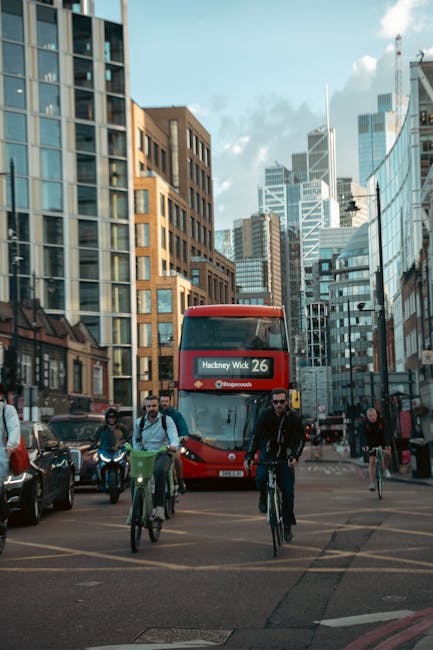
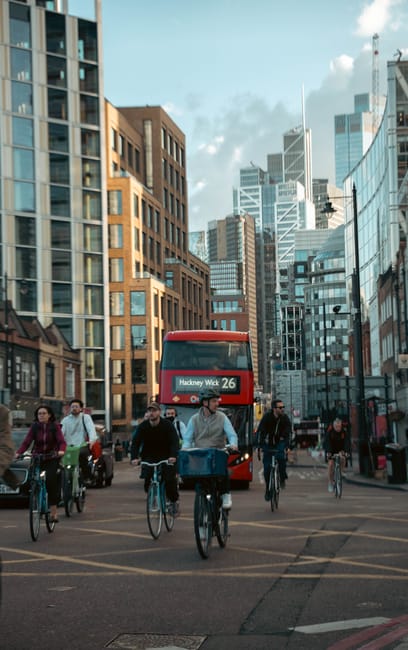
Road closure rules for Hackney removals around Hackney Empire
Moving near Hackney Empire can be straightforward on paper and awkward in real life. Between busy roads, event traffic, loading restrictions, local parking controls, and the occasional street closure, a removal day in this part of Hackney needs proper planning. The good news is that the road closure rules for Hackney removals around Hackney Empire are manageable once you understand what matters, what usually causes delays, and how to prepare a van route that actually works on the day.
This guide breaks it all down in plain English. You will learn how road closures can affect access, what to check before moving day, how removals crews usually adapt, and which mistakes tend to create the most stress. If you are moving a flat, a maisonette, or a small office nearby, a little preparation goes a long way. Truth be told, around busy London landmarks, the smallest detail can save you an hour of waiting with a trolley at the kerb.
Table of Contents
- Why Road closure rules for Hackney removals around Hackney Empire Matters
- How Road closure rules for Hackney removals around Hackney Empire Works
- Key Benefits and Practical Advantages
- Who This Is For and When It Makes Sense
- Step-by-Step Guidance
- Expert Tips for Better Results
- Common Mistakes to Avoid
- Tools, Resources and Recommendations
- Law, Compliance, Standards, or Best Practice
- Options, Methods, or Comparison Table
- Case Study or Real-World Example
- Practical Checklist
- Conclusion
- Frequently Asked Questions
Why Road closure rules for Hackney removals around Hackney Empire Matters
Near Hackney Empire, access can change quickly. A road may be partially blocked for works, temporarily closed for an event, or restricted by local traffic management measures that are easy to miss if you only look at the map the night before. For removals, that matters because a van cannot simply pull in anywhere and hope for the best. It needs legal access, safe loading space, and a route that keeps the move moving.
Why does this matter so much? Because removals are time-sensitive. If your team is blocked on approach, the whole day can drift. Lift bookings can be missed, neighbours get annoyed, and heavy furniture ends up sitting where it should not. Nobody wants a wardrobe in the rain while everyone stands around saying, "We'll just wait a minute." A minute becomes twenty. You know how it goes.
In practice, road closure rules around this area are less about a single dramatic barrier and more about overlapping local conditions. There may be one-way systems, busier-than-expected crossing points, controlled parking zones, event-related congestion, or temporary access changes close to the theatre and surrounding streets. The closer your property is to the venue, the more those details matter.
For anyone arranging a move, the point is simple: access is part of the job, not an afterthought. If you treat it as part of the plan from the start, you reduce risk, save time, and make the day feel calmer. And calmer is underrated on moving day.
How Road closure rules for Hackney removals around Hackney Empire Works
Road closures and access rules near Hackney Empire generally affect three things: where a vehicle can travel, where it can stop, and how long it can stay there. A removal vehicle may be perfectly legal on one street but unable to use a nearby junction because of temporary restrictions, loading limits, or local traffic management changes.
In a typical move, the process works like this. First, you identify the exact pickup and delivery addresses and check how close the van can realistically get to each front door. Then you think about parking, loading bays, narrow streets, any known event activity, and whether a longer carry is likely. That matters because a 10-metre carry and a 60-metre carry are very different jobs. The crew, the equipment, and the time needed all change.
Temporary road closures can happen for a few reasons. Some are planned, such as maintenance or event logistics. Others are short notice, like emergency repairs or incident response. In Hackney, busy local streets can also feel effectively "closed" at certain times because traffic is slow, kerbside space disappears early, or turning space is tight. Strictly speaking, that is not the same as a legal closure, but for removals it can have a very similar effect.
If you are using a local removal firm, they will usually try to build the route around the likely constraints. That can include choosing a different arrival time, adjusting van size, planning a shuttle run, or positioning the vehicle a short walk away from the property. Small adjustments, but they matter. A lot.
One useful way to think about it: the road closure rules do not just tell you what you cannot do. They tell you what is possible if you plan properly.
Key Benefits and Practical Advantages
Planning around road closure rules may sound like admin, but it has real practical benefits. For a move near Hackney Empire, good access planning can make the day feel much less chaotic and can reduce the chance of extra costs caused by delays or last-minute changes.
- Fewer delays: if the van route and loading point are confirmed early, the team can get started sooner.
- Safer lifting: shorter, clearer access routes reduce the risk of trips, scrapes, and awkward carrying.
- Better time control: a well-planned move is easier to schedule around lifts, keys, and building access windows.
- Lower stress: you are not trying to solve parking or road access in the middle of a moving day.
- Less disruption to neighbours: smoother loading means less blocking of pavements, entrances, or shared access areas.
There is also a commercial benefit if you are comparing removal services. A company that understands local access issues is more likely to quote accurately and less likely to surprise you on the day. That is especially useful if your property sits in a busier stretch near the theatre, where the difference between "fine on the map" and "fine in real life" can be surprisingly large.
To be fair, most people do not want a lecture about parking controls. They want the sofa out, the boxes in, and the day over with. Planning for road closures is one of those small bits of preparation that makes that happen.
Who This Is For and When It Makes Sense
This topic is relevant to anyone moving within or near the Hackney Empire area, but it is especially useful if your move depends on curbside access or you have a tight schedule. If any of the situations below sound familiar, you should pay close attention to road closure planning.
- You are moving from a flat on a narrow street with limited parking.
- Your move is scheduled on a busy day, weekend, or during an event period.
- You need a larger van or more than one trip.
- Your building has a strict loading window or shared entrance.
- You are moving bulky furniture, fragile items, or lots of boxes.
- You are handling a shop, studio, office, or other commercial space nearby.
It also makes sense if you are coordinating with a landlord, concierge, building manager, or neighbours. Access problems are often a communication problem as much as a transport problem. If everyone knows where the van will stop and when, the whole move feels far less improvised.
And if you are the type who likes to leave everything until the last minute? Well, this is the bit that tends to punish that habit. Just being honest.
Step-by-Step Guidance
Here is a practical way to handle road closure rules for a removal around Hackney Empire without overcomplicating things.
- Confirm the exact addresses. Not just the postcode. Note the street, building entrance, floor level, and any rear access that might be useful.
- Check for likely access limits. Look at loading restrictions, pavement width, turning space, and whether the vehicle can stop close enough for safe unloading.
- Ask about temporary works or events. If there is anything that could affect the street on moving day, find out early rather than assuming the road will be open as normal.
- Plan the vehicle size. A smaller van may be easier to park and manoeuvre, while a larger vehicle may reduce trip count. The right choice depends on the street, not just the volume of belongings.
- Set a realistic arrival time. In busy parts of Hackney, a "reasonable" slot can still be risky if traffic is heavy. Build in a cushion.
- Prepare for a longer carry if needed. Protect floors, use trolleys where appropriate, and make sure the route between van and door is clear.
- Keep neighbours and building contacts informed. A quick heads-up can prevent complaints if access is briefly restricted.
- Have a backup plan. If the intended stopping point is unavailable, know where the van can legally wait without causing chaos.
A small real-world note: the best moving days often look boring from the outside. The van arrives, the crew knows where to stand, the route is clear, and nobody is debating where to park while holding a kettle. That is usually the sign of good planning, not luck.
Expert Tips for Better Results
Experience counts here. The people who handle removals regularly in inner London tend to do a few things differently, and those habits save time.
First, scout the access visually if you can. Street view images are helpful, but they do not always show day-to-day reality. A double-parked car, a scaffold bay, or a bin storage area can change the picture completely. If possible, stand outside the property at roughly the time your move will start. Morning and afternoon can feel very different.
Second, think in terms of "carry distance" rather than "parking available." There is a huge difference between a van being somewhere nearby and the van being somewhere practical. A clean, short carry is gold. A long carry may still work, but it changes labour, timing, and sometimes the quote.
Third, keep the front of the property clear before the vehicle arrives. Bins, bikes, planters, and loose boxes have a habit of creating mini-obstacles exactly when you do not need them. A tidy entrance is one of the easiest wins on moving day.
Fourth, ask about event timings. Around well-known venues, traffic can spike even when the street itself is technically open. If there is an evening performance or set-up activity nearby, the later part of the day can get more awkward than the start.
Fifth, do not ignore height and width issues. A road can be open yet still unsuitable for a tall vehicle, tight turning, or a van with a awkward approach angle. It sounds fussy, but fussy is sometimes exactly what keeps a move on track.
One small rule of thumb: if the plan depends on "we'll just see what happens," it is not really a plan.
Common Mistakes to Avoid
Most problems near busy London landmarks are not dramatic. They are ordinary mistakes that stack up. The good news is that once you know them, they are easy enough to dodge.
- Assuming the street will be usable because it was open last week. Temporary restrictions change. Sometimes quickly.
- Ignoring event-related congestion. A road may be open but still not workable for loading.
- Booking a van without checking access first. The wrong size vehicle can create more trouble than it solves.
- Forgetting about loading time limits. Even a short delay can become a problem if the stopping window is tight.
- Not telling neighbours or building staff. This can create avoidable friction and lost time.
- Leaving fragile or awkward items for "later." Later has a funny way of becoming rush hour.
Another common one: underestimating how much a short street closure can disrupt the day. If the only legal stopping place is a bit further away, every item takes longer. That is not a disaster. It just means the move needs to be priced and scheduled with reality in mind.
And yes, people do sometimes discover this all while standing in the hallway. Not ideal.
Tools, Resources and Recommendations
You do not need a huge toolkit, but a few simple things make road closure planning much easier.
- Route mapping: check both the direct route and a backup route in case of closures or diversions.
- Notes on access: keep building entry details, intercom instructions, and lift timings in one place.
- Measurement basics: know the approximate size of large items, especially sofas, wardrobes, beds, and office furniture.
- Protective materials: floor runners, blankets, straps, and covers reduce damage when the carry is longer than planned.
- Contact list: have your mover, building contact, and any relevant neighbour or landlord details ready.
If you are looking at broader removal support, useful pages on the same site include pricing and quotes, insurance and safety, and health and safety policy. Those pages are worth a look if you want to understand how a move is priced, protected, and managed with care.
You may also find it helpful to read the guide on Hackney council parking permits for removals, because road access and parking permissions often overlap in real life. One affects where the van can stop; the other affects whether that stop is lawful. Close cousins, really.
Law, Compliance, Standards, or Best Practice
When moving near a busy landmark like Hackney Empire, compliance is mainly about keeping the move lawful, safe, and sensible. That usually means respecting road signs, parking restrictions, loading rules, and any temporary access controls in place on the day.
From a practical point of view, best practice includes:
- checking whether parking or loading is allowed where the van is expected to stop
- making sure no pedestrian route is blocked without a good reason and proper care
- using suitable equipment for heavy or awkward items
- keeping the move organised to reduce risk to people and property
- co-operating with building rules, local traffic management, and any temporary restrictions
It is also wise to make sure your moving company has clear policies on safety and liability. That does not mean every move will be risk-free, because nothing in the real world ever is. But it does mean there should be a sensible process for handling access problems, breakages, or delays if they happen.
If you are moving valuable items or working in a shared building, clear communication matters just as much as compliance. A well-run move is often just a series of small good decisions made at the right time.
Options, Methods, or Comparison Table
There is more than one way to manage a move near Hackney Empire. The best choice depends on the property, the street, and how much you are moving.
| Approach | Best for | Advantages | Trade-offs |
|---|---|---|---|
| Direct kerbside loading | Streets with legal stopping space close to the property | Fastest carry, simplest loading, usually the least tiring | Not always possible if access is restricted |
| Short walk parking | Busy streets with limited immediate access | More realistic where stopping right outside is not available | Extra carry time and more physical effort |
| Smaller van with more trips | Narrow roads or tight manoeuvring areas | Easier to position and sometimes easier to park | May take longer overall |
| Larger van with one main load | Moves with many items and enough space to stop safely | Fewer journeys, potentially quicker end-to-end | Can be harder to place in a restricted area |
| Staged loading | Complex moves or buildings with timing restrictions | Useful when access changes during the day | Needs more coordination and discipline |
In many Hackney moves, the sweet spot is not the biggest van or the smallest one. It is the one that matches the street, the timings, and the amount of furniture you actually have. Simple idea. Not always simple in practice, but still the right way to think about it.
Case Study or Real-World Example
Here is a realistic example. A couple moving from a third-floor flat near Hackney Empire had a full day booked with their removals team. On paper, the address looked straightforward. The issue was that a nearby restriction meant the van could not stop directly outside for long, and a separate street factor made the closest obvious space less useful than expected.
Instead of forcing the day, the crew adjusted the approach. They arrived earlier, confirmed the safest legal stopping point, used trolleys for the heavier boxes, and kept the load sequence tight so the most awkward furniture came out first. The couple had already boxed and labelled everything, which helped more than they expected. Not glamorous. Very effective.
The result? No drama, no frantic searching for space, and no one standing in the stairwell wondering where the mattress had gone. The move took patience, but it stayed under control. That is the real lesson: if road access is likely to be imperfect, plan for imperfect conditions rather than pretending the street will cooperate because you asked nicely.
This same approach works for small offices too. If you are relocating equipment or furniture near a busy cultural and commercial area, a bit of route planning up front can save the sort of delays that ripple through the whole day.
Practical Checklist
Use this before moving day. It is the kind of list that feels a bit obvious until you realise it prevents half the problems.
- Confirm both addresses and entrance points.
- Check for temporary closures, roadworks, or event-related traffic changes.
- Identify where the van can legally stop.
- Make sure any parking or loading permission is arranged in advance if needed.
- Measure large furniture and awkward items.
- Tell the removals team about stairs, lifts, narrow hallways, or shared entrances.
- Clear the entrance, hallway, and loading route.
- Label boxes by room and priority.
- Keep keys, codes, and contacts ready.
- Plan a backup stopping point in case the first choice is unavailable.
- Allow extra time for traffic, loading, and short-distance carrying.
- Protect floors, walls, and high-contact corners.
Quick practical summary: if you know where the van can go, how long it can stay, and what happens if that spot is unavailable, you are already ahead of the game. Everything else becomes much easier to manage.
Conclusion
Road closure rules for Hackney removals around Hackney Empire are not something to panic about, but they are definitely something to respect. In this part of Hackney, access planning is part logistics, part local knowledge, and part common sense. Get those three working together and the move becomes smoother, safer, and far less stressful.
The main takeaway is simple: do not wait until the van arrives to think about the road. Check the route, confirm the stopping point, account for temporary restrictions, and prepare for a realistic carry. A little planning now can prevent a lot of friction later. And on moving day, that calm feeling is worth quite a lot.
If you want to compare options, check what your move may involve, or speak to a team that understands the local area, start early and keep the access details close. Small steps. Big difference.
Get a free quote today and see how much you can save.
Sometimes the best move is the one that feels almost uneventful. That is a good thing.
Frequently Asked Questions
Do road closure rules near Hackney Empire affect all removals?
Not all removals are affected in the same way, but many moves nearby will need at least some access planning. Even if the road is open, loading restrictions, traffic build-up, or event activity can still affect the day.
How far in advance should I check for road closures?
Check as early as possible, then check again closer to the move. A route that looks fine a week ahead can change by moving day, especially in busy parts of Hackney.
Can a removal van stop right outside my property?
Sometimes, yes. But near busy streets and landmarks, that depends on the exact location, the time of day, and whether stopping there is lawful. It is best to confirm rather than assume.
What if the van cannot access my street?
If direct access is unavailable, the move may still go ahead using a nearby legal stopping point and a longer carry. The removals team may also adjust vehicle size or loading order.
Do I need a parking permit for a removal near Hackney Empire?
Possibly, depending on where you are parking and how long the van needs to stop. Parking and loading rules can overlap, so it is sensible to check the practical requirements before the move.
Will temporary roadworks cancel my removal?
Not necessarily. They may change the route or stopping point, but many moves can still be completed with a revised plan. The key is finding out early and being flexible.
Is a smaller van better for tight streets?
Often it is, but not always. A smaller van may be easier to position, while a larger van may reduce trips. The best choice depends on the street, your load, and how much space is available.
What should I tell my removal company about access?
Share anything that could affect the move: stairs, lifts, restricted entry times, loading space, distance from the van to the door, and any known road issues. The more accurate the picture, the better the planning.
How can I reduce delays on moving day?
Have boxes ready, clear the access route, confirm parking or stopping arrangements, and keep everyone informed. Small, boring tasks tend to prevent the biggest delays. Funny how that works.
Are road closure rules different for home moves and office moves?
The basic access issues are similar, but office moves often have tighter timing, more equipment, and more people to coordinate. That can make route planning even more important.
What if the closure happens on the day of the move?
If that happens, contact the removals team quickly and shift to the backup plan. A professional crew should be able to adapt the approach, but it helps if you have already thought through a fallback option.
Where can I find more help on planning a Hackney move?
You can look at related guidance on moving services, insurance, pricing, and local access topics across the site. For example, the pages on removal services and home moves can help you think through the wider moving process, not just the road access side of it.